Content last revised on September 10, 2026
Toshiba LTM15C458T 15.0-inch XGA LCD Panel | Industrial Engineering Overview
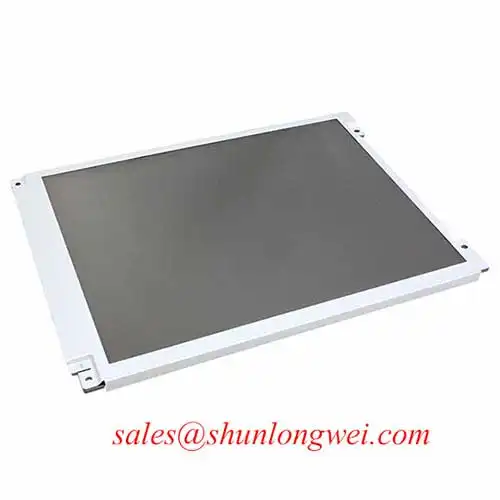
The Toshiba LTM15C458T is a mature 15.0-inch industrial display module designed specifically for systems requiring XGA resolution and reliable CMOS signal interfacing. Providing a stable 1024x768 pixel architecture, this amorphous silicon TFT-LCD is optimized for long-lifecycle industrial HMI and legacy medical diagnostic equipment. For engineers maintaining 4:3 aspect ratio platforms, the LTM15C458T offers a standardized mechanical footprint and proven thermal stability in continuous operation environments. For systems requiring modern wide-viewing angles or LED backlighting, the related G150XNE-L01 provides a more recent alternative with updated specifications.
Top Specs: 1024 x 768 (XGA) | 250 cd/m² | 6-bit CMOS Interface
Key Benefits: Guaranteed mechanical compatibility for legacy 15-inch systems and simplified logic integration through a single-channel 6-bit interface.
What is the primary interface type for the LTM15C458T? It utilizes a 41-pin CMOS 1-channel interface, supporting 262,144 colors, which simplifies driver board design for older industrial controllers. For high-reliability system maintenance, the LTM15C458T remains a critical component for ensuring operational continuity in existing infrastructure.
Key Parameter Overview
Decoding the Specs for System-Level Integration
| Feature | Technical Specification | Engineering Value |
|---|---|---|
| Panel Size | 15.0 inch | Standard 4:3 Industrial Form Factor |
| Resolution | 1024(RGB) x 768 (XGA) | Native clarity for industrial GUIs |
| Luminance | 250 cd/m² (Typical) | Optimized for indoor control room visibility |
| Contrast Ratio | 250:1 (Typical) | Adequate greyscale separation for UI elements |
| Interface Type | CMOS (1 ch, 6-bit) | Direct logic compatibility; reduced EMI profile |
| Backlight System | 2 pcs CCFL | Symmetric lighting; replaceable lamp architecture |
| Input Voltage | 3.3V (Typical) | Standard low-voltage logic power supply |
| Viewing Angle | 40/40/15/30 (L/R/U/D) | Stable performance for fixed-mount HMIs |
Application Scenarios & Value
Achieving Seamless Continuity in Industrial HMI Replacement
In the field of industrial automation, the 15.0-inch XGA format is a cornerstone for Human-Machine Interfaces (HMIs) used in CNC machining centers and textile manufacturing. The Toshiba LTM15C458T addresses a critical engineering challenge: the "Interface Transition Gap." Many legacy controllers rely on 6-bit CMOS signaling rather than the modern LVDS standard. Replacing these displays without redesigning the entire controller board requires a panel that matches both the 41-pin physical connector and the specific timing requirements of CMOS logic.
In medical imaging environments, such as older ultrasound or patient monitoring carts, the 1024x768 resolution provides the necessary pixel density for clear waveform visualization. The Antiglare surface treatment of the LTM15C458T is vital here, as it reduces specular reflections from overhead surgical or clinical lighting, ensuring data legibility from multiple standing positions. For engineers designing for more modern, rugged environments requiring high contrast, the G150XTN06.0 offers an updated alternative with higher brightness levels. Integrating the LTM15C458T into existing cabinets is simplified by its 304.1 x 228.1 mm active area, which aligns with industry-standard bezel openings for 15-inch modules.
FAQ
How does the 6-bit CMOS interface of the LTM15C458T affect color depth in legacy systems?
The 6-bit architecture supports up to 262,144 colors. For industrial applications, this is typically more than sufficient for high-contrast UI elements, though it may not be suitable for modern high-fidelity photographic rendering. This interface is chosen specifically for its simplicity in logic-level communication between the CPU and the panel.
What are the power requirements for the CCFL backlight in this module?
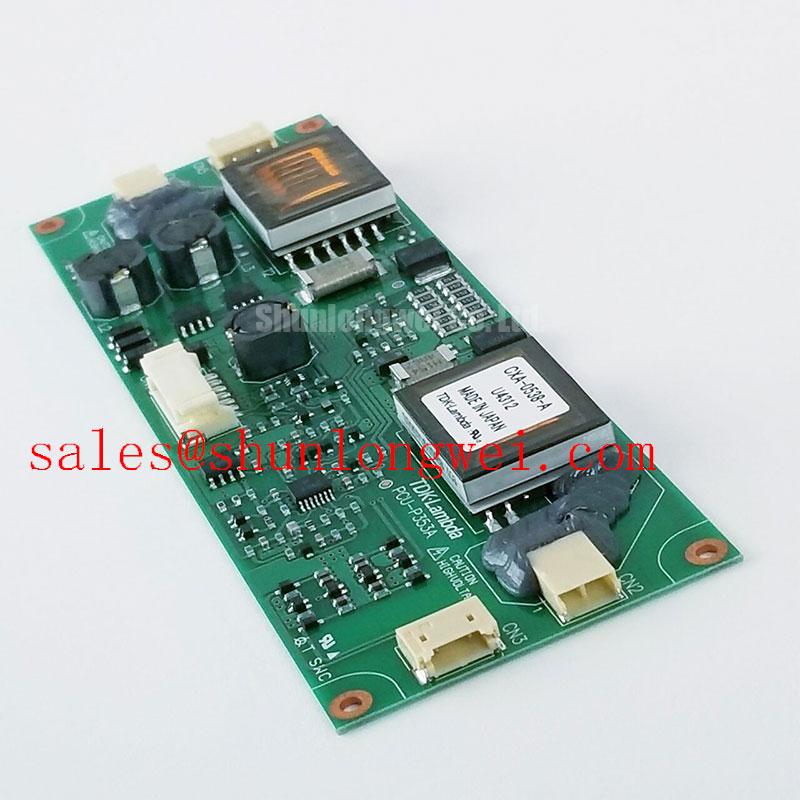
The LTM15C458T utilizes two CCFL lamps which require an external high-voltage inverter. Engineers must ensure the inverter matches the lamp's starting voltage and operating current to prevent flickering or premature lamp failure. Proper thermal management of the backlight area is essential to maintain the 250 nits luminance over time.
Is the LTM15C458T compatible with resistive touch screen overlays?
Yes, its standard 15.0-inch diagonal and flat bezel design make it highly compatible with 4-wire or 5-wire resistive touch sensors. This is a common configuration in "gloved-hand" industrial environments where capacitive touch is unreliable. For more on touch selection, see our industrial touchscreen guide.
Can this display be used in outdoor environments?
With a brightness of 250 cd/m², the LTM15C458T is primarily intended for indoor use. Direct sunlight will wash out the screen. For outdoor or high-ambient light applications, a high-brightness panel (typically >1000 nits) would be required to ensure readability.
Technical & Design Deep Dive
Interface Integrity and Pixel Reliability
The engineering merit of the LTM15C458T lies in its Amorphous Silicon (a-Si) TFT structure. Unlike LTPS (Low-Temperature Polysilicon) displays which are optimized for high density and speed, a-Si is the "workhorse" of the industrial world due to its cost-effective manufacturing and reliable performance at standardized resolutions like XGA. The pixel arrangement uses an RGB Vertical Stripe, which is the gold standard for rendering sharp text and vertical lines—critical for terminal-style industrial data displays.
From a signal integrity perspective, the 41-pin CMOS interface is more sensitive to trace length and EMI than differential signaling (LVDS). Designers should treat the data bus as a group of high-speed parallel signals, keeping the ribbon cable or PCB traces as short as possible to prevent data skew. The 3.3V logic level is standard, but decoupling capacitors should be placed near the LTM15C458T connector to stabilize the voltage against the switching noise of the industrial power supply.
Industry Insights & Strategic Advantage
Maintaining Infrastructure in the Age of Component Obsolescence
As the display industry shifts toward 16:9 aspect ratios and OLED technology, the availability of 4:3 TFT-LCD modules like the LTM15C458T becomes a strategic asset for maintenance, repair, and overhaul (MRO) departments. Many billion-dollar industrial assets—from pharmaceutical bottling lines to power plant control consoles—were designed around the 15.0-inch XGA footprint. A "drop-in" replacement like the LTM15C458T prevents the massive capital expenditure of a full system upgrade by allowing for "component-level life extension."
The strategic value of sticking with a CCFL-backlit Toshiba module in certain regulated industries (like medical diagnostics) is that it may avoid the need for re-certification required when changing to an LED-backlit panel, which has different electromagnetic and light-spectrum profiles. For organizations prioritizing Total Cost of Ownership (TCO), maintaining these established displays is often the most fiscally responsible path for long-lived industrial assets. Learn more about the engineering behind industrial display maintenance and its impact on long-term system reliability.
Ensuring the longevity of industrial systems requires a precise match between legacy requirements and verified hardware. The LTM15C458T represents a reliable technical bridge for XGA-based architectures, balancing simplified CMOS integration with proven display performance. For engineers managing long-cycle projects, sourcing these specific 15-inch modules is essential for minimizing downtime and maintaining system-wide operational standards.