
Content last revised on August 28, 2026
An Engineer's Analysis of the CM1000HA-28H for High-Reliability Power Systems
A Definitive Look at a High-Current IGBT Module
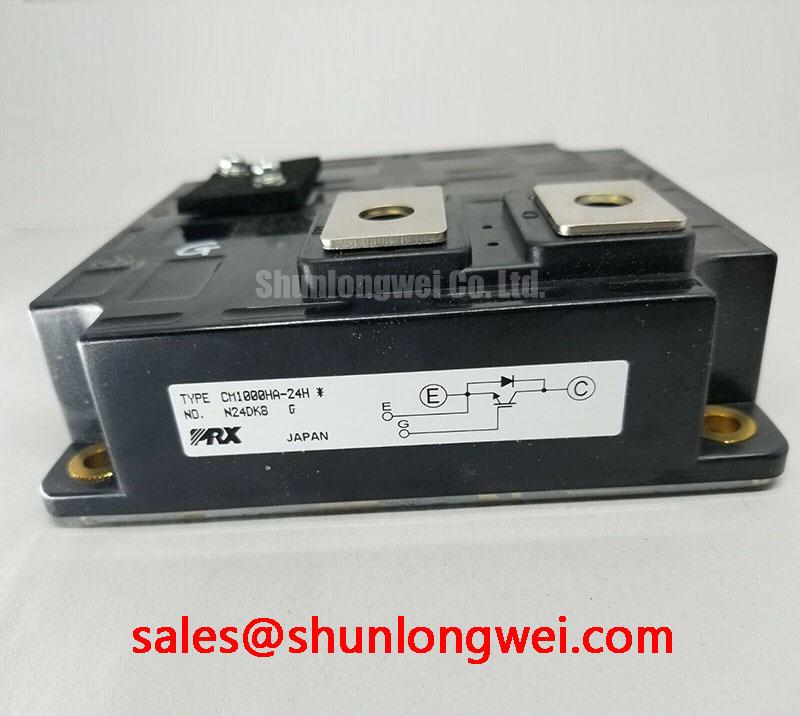
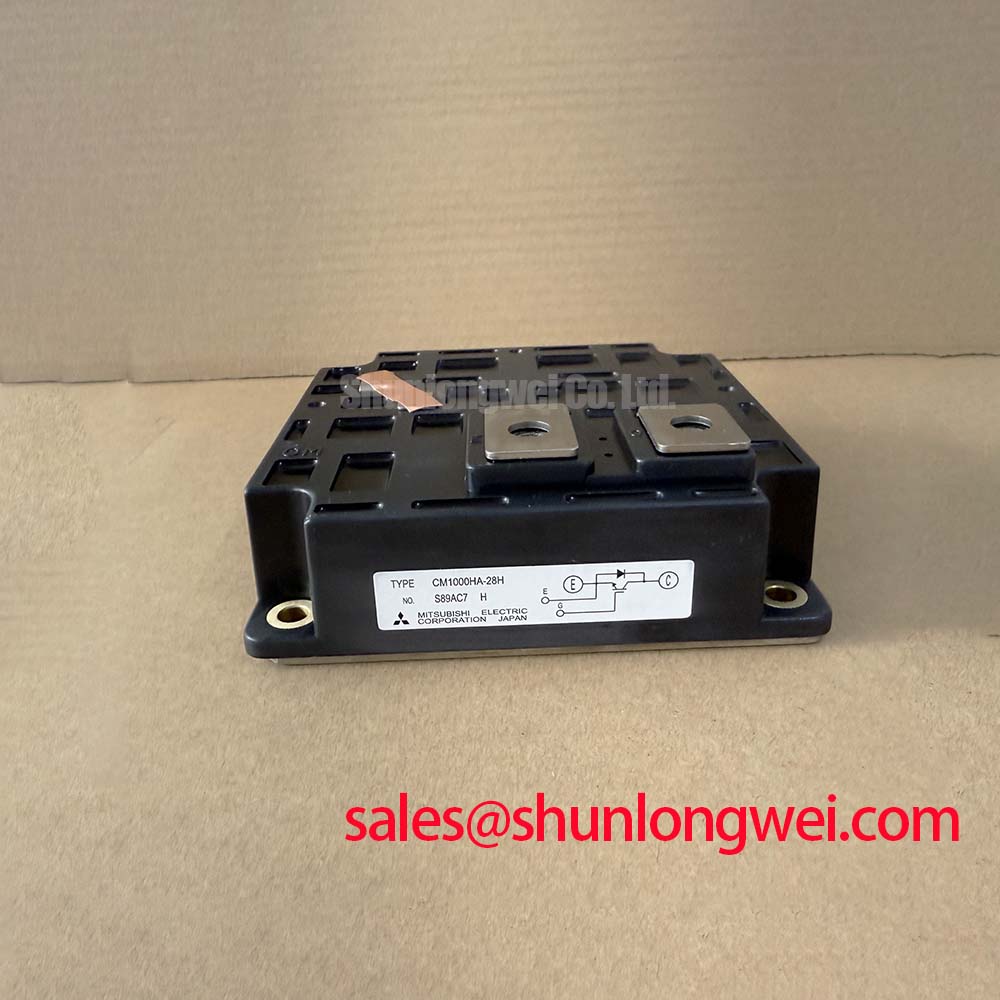
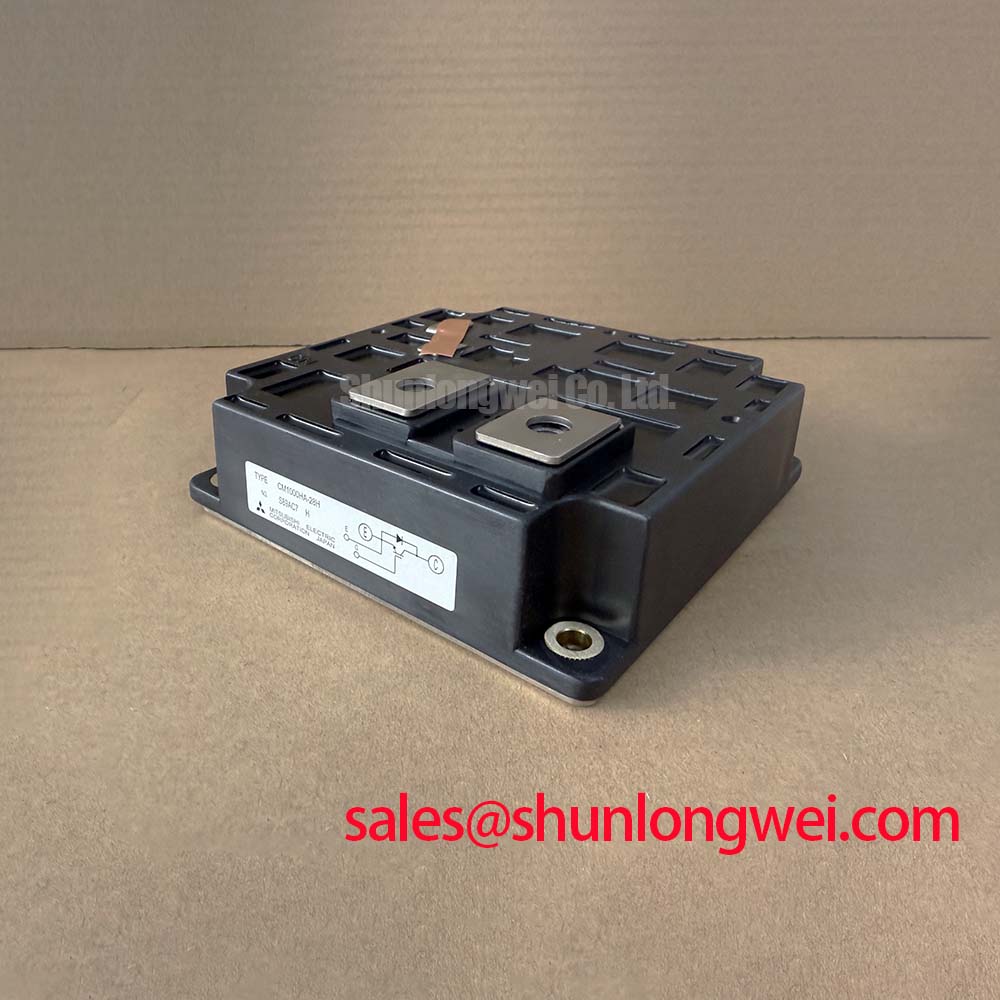
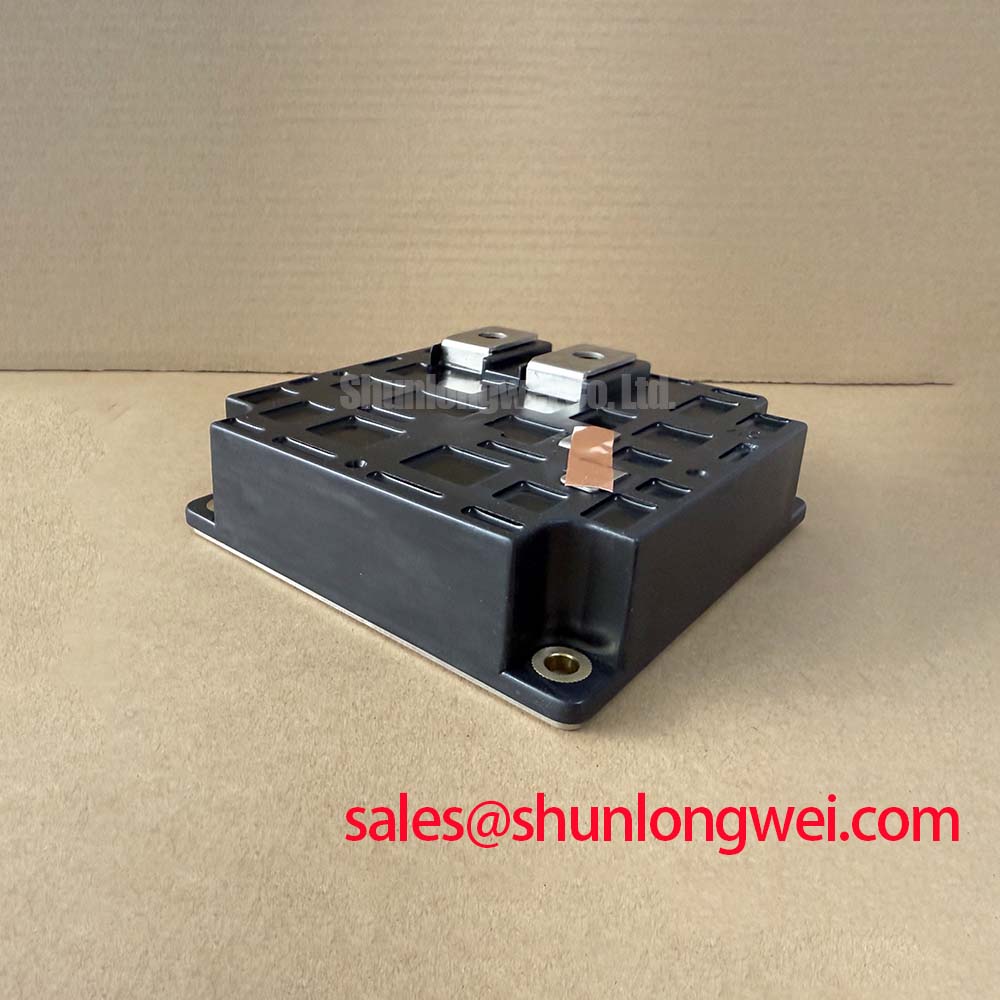
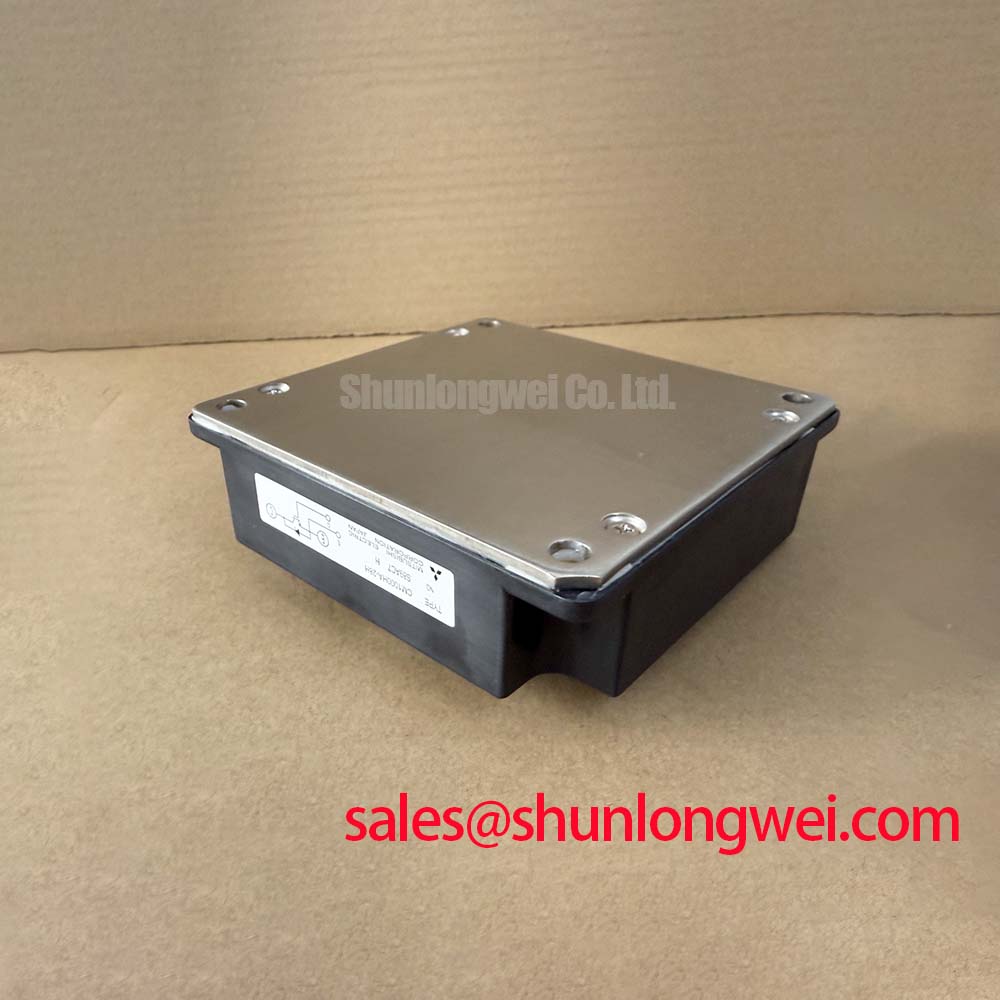
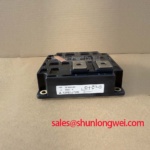
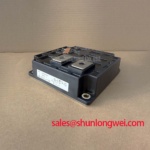
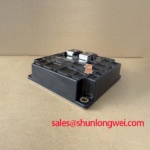
The CM1000HA-28H is an H-Series single IGBT module engineered for high-power switching applications where thermal stability and voltage headroom are critical design drivers. With core specifications of 1400V, 1000A, and a maximum thermal resistance (junction-to-case) of 0.022 °C/W, this device provides a robust foundation for demanding power conversion systems. Key engineering benefits include superior thermal management under heavy loads and a significant safety margin for high-voltage DC bus architectures. The 1400V blocking voltage makes it particularly well-suited for inverters operating on 690V AC industrial power lines, offering enhanced protection against transient overvoltages. For megawatt-class industrial drives requiring robust thermal performance, the CM1000HA-28H's low thermal resistance makes it an exemplary choice.
Key Parameter Overview
Decoding the Electrical and Thermal Ratings for High-Current Applications
The technical specifications of the CM1000HA-28H are pivotal for system-level design, particularly in applications pushing the boundaries of power density and operational reliability. The following parameters, derived from the official datasheet, form the basis for performance modeling and component selection.
| Parameter | Symbol | Value | Conditions |
|---|---|---|---|
| Absolute Maximum Ratings (Tj = 25°C) | |||
| Collector-Emitter Voltage | VCES | 1400V | VGE = 0V |
| Collector Current (DC) | IC | 1000A | Tc = 25°C |
| Peak Collector Current | ICM | 2000A | Pulse |
| Maximum Power Dissipation | Pc | 5800W | Tc = 25°C |
| Electrical & Thermal Characteristics | |||
| Collector-Emitter Saturation Voltage | VCE(sat) | 3.1V (Typ) | IC = 1000A, VGE = 15V, Tj = 150°C |
| Thermal Resistance (IGBT) | Rth(j-c) | 0.022°C/W (Max) | Junction to Case |
| Thermal Resistance (Diode) | Rth(j-c) | 0.050°C/W (Max) | Junction to Case |
| Operating Junction Temperature | Tj | -40 to +150°C | |
Download the CM1000HA-28H datasheet for detailed specifications and performance curves.
Application Scenarios & Value
System-Level Advantages in Industrial Drives and Renewable Energy Converters
The CM1000HA-28H is engineered to deliver robust performance in high-stress power conversion topologies. Its combination of high current capacity and superior voltage rating makes it a primary candidate for applications where reliability is paramount.
- Industrial Motor Drives: In large-scale Variable Frequency Drives (VFDs) and servo systems, the module's 1000A rating effortlessly manages high-torque motor startup currents. The typical hot-state VCE(sat) of 3.1V directly contributes to lower conduction losses, a critical factor in improving the overall efficiency and reducing the thermal load on the cooling system.
- Renewable Energy Inverters: For multi-megawatt wind turbine converters and central solar inverters connected to 690V AC grids, the 1400V VCES provides an essential safety margin against DC-link voltage fluctuations and line-induced transients, directly enhancing long-term operational reliability.
- Uninterruptible Power Supplies (UPS): The high current handling and robust thermal performance ensure dependable power delivery during critical backup operations, supporting data centers and industrial processes that cannot tolerate power disruption.
Best Fit: What is the primary benefit of its pressure-contact design? Enhanced long-term reliability by eliminating solder fatigue. This design makes it an optimal choice for applications with frequent thermal cycling. While the CM1000HA-28H is designed for the most demanding applications, for systems with similar voltage requirements but lower current needs, the related CM600HA-28H offers a 600A capacity within a comparable technological framework.
Technical Deep Dive
Analyzing the H-Series Structure for Enhanced Reliability
The performance of the CM1000HA-28H is fundamentally tied to its internal construction, likely featuring Mitsubishi's advanced CSTBT™ (Carrier Stored Trench Gate Bipolar Transistor) technology. This structure is engineered to optimize the trade-off between conduction losses and switching speed. The module's low VCE(sat) under operational heat (3.1V typical at 150°C) is a direct result of this advanced chip design, minimizing the power lost as heat during the on-state.
However, the most critical parameter for reliability in such a high-current module is its thermal performance. The Rth(j-c) of 0.022 °C/W is a key figure of merit. To put this in perspective, for every 100 watts of heat generated at the silicon junction, the temperature will only rise by 2.2°C above the module's case temperature. This highly efficient heat transfer path is crucial for preventing the junction temperature from exceeding its 150°C maximum limit, especially during overload conditions. This efficiency in thermal management is what allows designers to utilize the full 1000A capacity while ensuring the system remains stable and reliable over its intended service life.
Industry Insights & Strategic Advantage
Meeting the Demands of Megawatt-Scale Systems and Grid Modernization
The push towards higher efficiency and greater power density in industrial automation and renewable energy is a dominant market trend. The CM1000HA-28H directly addresses these needs. In sectors like wind power and large-scale manufacturing, equipment is expected to operate continuously for years with minimal maintenance. The robust thermal design and high voltage rating of this module contribute to a lower total cost of ownership by reducing the likelihood of failures caused by thermal stress or electrical overstress.
Furthermore, as grid infrastructure modernizes, power electronics must handle greater dynamic loads and adhere to stricter grid codes. The fast-switching characteristics and high-current capability of the CM1000HA-28H provide the control authority needed for advanced functions like reactive power compensation and fault ride-through in grid-tied converters. A component with such specifications is not just a power switch; it is an enabling technology for building more resilient and efficient energy systems. For a complete understanding of how such parameters are evaluated, engineers can refer to guides on decoding IGBT datasheets and understanding Thermal Resistance.
Frequently Asked Questions
Engineering Questions on Performance and Integration
How does the 1400V VCES rating of the CM1000HA-28H specifically benefit designs for 690V AC industrial lines?
The 1400V rating provides a crucial safety margin. A 690V AC line can produce a DC bus voltage of approximately 975V (690V * sqrt(2)). The 1400V VCES offers over 40% headroom above this nominal DC voltage, which is essential for absorbing voltage spikes caused by inductive load switching or grid disturbances, significantly improving the inverter's long-term reliability.
What is the practical implication of the Rth(j-c) value of 0.022 °C/W for thermal design?
This low thermal resistance simplifies heatsink selection and system cooling design. It signifies highly effective heat transfer from the silicon die to the module baseplate. For a design engineer, this means that for a given power loss, the IGBT junction will operate at a lower temperature, or conversely, the module can handle higher power dissipation for a given heatsink size, enabling more compact and cost-effective system designs.
Can the CM1000HA-28H module be paralleled for higher current applications, such as a multi-megawatt converter?
Yes, single IGBT modules like this are often designed with paralleling in mind. Key characteristics for successful paralleling include a positive temperature coefficient of VCE(sat) and tightly controlled gate threshold voltages. These factors help ensure that current shares relatively evenly among the modules. However, careful gate drive circuit design and a symmetrical busbar layout are absolutely critical to prevent current imbalance and potential thermal runaway in one of the modules.
An Engineer's Perspective
From a design standpoint, the CM1000HA-28H distinguishes itself through its robust voltage and thermal specifications rather than raw switching speed. It is a workhorse component built for high-stress, continuous-duty applications. The focus on a low VCE(sat) at high operating temperatures and a very low junction-to-case thermal resistance indicates a design philosophy centered on durability and efficiency in the real world, not just on paper. For engineers developing power converters in the megawatt class, these are the characteristics that directly translate to a more reliable, efficient, and thermally stable end product.