

Content last revised on September 23, 2026
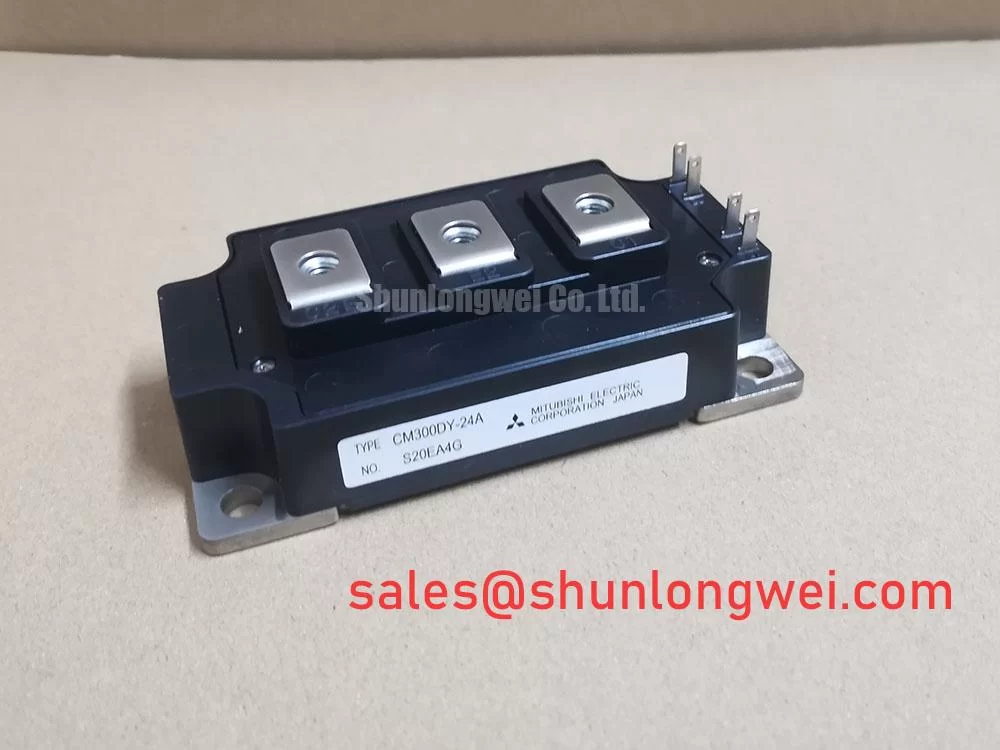
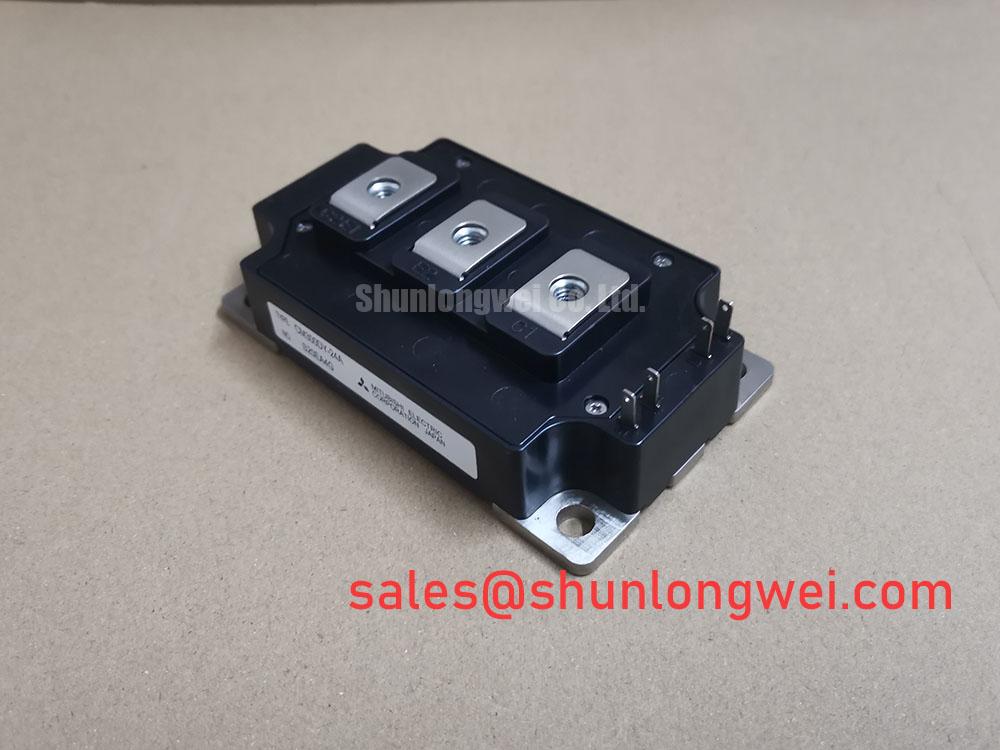
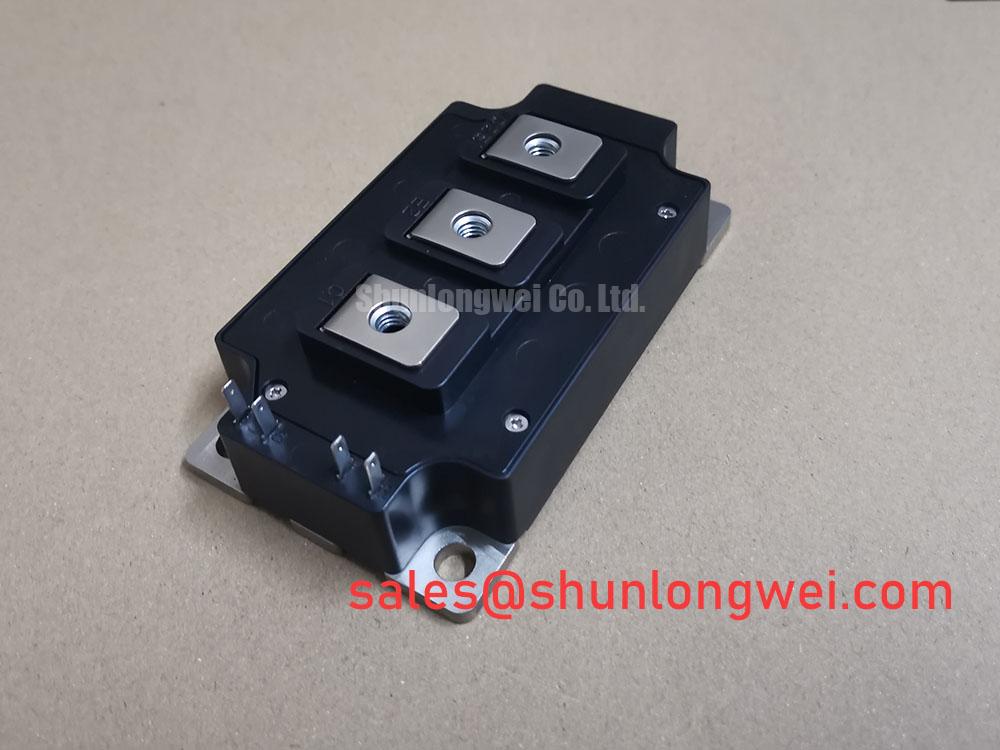
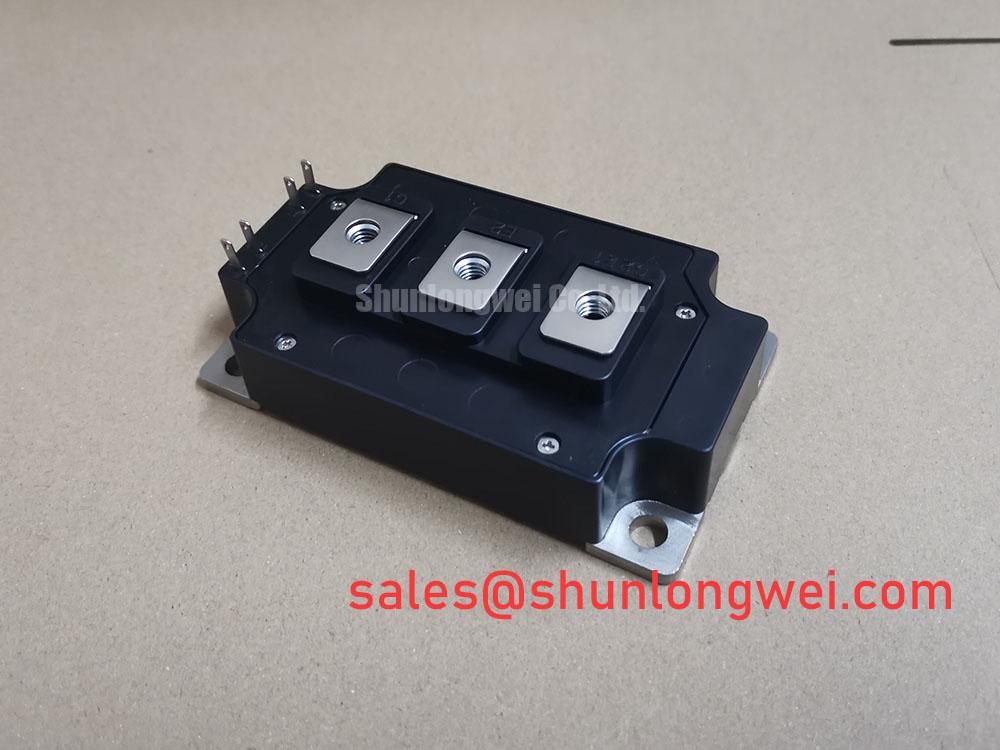
Mitsubishi CM300DY-24A Dual IGBT Module: Optimized Performance for 1200V Industrial Systems
The CM300DY-24A represents a significant advancement in power semiconductor technology, utilizing the proprietary 6th Generation CSTBT™ (Carrier Stored Trench-Gate Bipolar Transistor) architecture. This dual IGBT module is engineered to provide a superior balance between conduction losses and switching speed, making it a critical component for high-performance industrial power conversion. With a Vces of 1200V and a collector current rating of 300A, it addresses the rigorous demands of engineers seeking high power density and thermal reliability in heavy-duty applications.
For industrial drives prioritizing efficiency and thermal margin, the CM300DY-24A provides a robust 1200V ceiling for safe operation in 400V to 480V AC environments. By significantly reducing the collector-emitter saturation voltage while maintaining high-speed switching capabilities, this module directly enables more compact and energy-efficient system designs.
Key Parameter Overview
Functional Grouping of Electrical and Maximum Ratings
The following technical data reflects the specialized characteristics of the CM300DY-24A. Engineers should note the low Vce(sat) and optimized thermal resistance, which are pivotal for long-term reliability under continuous load conditions.
| Maximum Ratings (Tj = 25°C unless otherwise specified) | |
|---|---|
| Collector-Emitter Voltage (Vces) | 1200V |
| Collector Current (Ic) | 300A |
| Total Power Dissipation (Pd) | 2150W |
| Maximum Junction Temperature (Tjmax) | 150°C |
| Electrical Characteristics (Typical) | |
| Collector-Emitter Saturation Voltage (Vce_sat) | 2.0V (at Ic = 300A, Tj = 125°C) |
| Gate-Emitter Threshold Voltage (Vge_th) | 7.0V |
| Input Capacitance (Cies) | 55nF |
| Thermal Resistance, Junction to Case (Rth_j-c) | 0.058 K/W (Per IGBT) |
Download the CM300DY-24A datasheet for detailed specifications and performance curves.
Application Scenarios & Value
Achieving System-Level Benefits in High-Power Conversion
The CM300DY-24A is primarily utilized in systems where switching frequency and thermal management are non-negotiable. One of the most common challenges engineers face is managing the heat generated during high-frequency PWM (Pulse Width Modulation) in large motor drives. The module’s exceptionally low Rth(j-c) of 0.058 K/W allows for more efficient heat transfer to the cooling system, reducing the physical size requirements of heat sinks in a Variable Frequency Drive (VFD).
In high-capacity UPS (Uninterruptible Power Supply) systems, the CSTBT™ technology minimizes conduction losses, which directly translates to lower operational costs and reduced energy waste. For designers moving toward even higher integration or different current requirements, the CM400DY-24A provides an alternative for higher current handling within a similar architectural framework, while the CM300DY-24NF offers a different performance profile for specific legacy system compatibility.
The CM300DY-24A is also a linchpin for renewable energy grid-tie inverters, where robust short-circuit withstand times and stable switching parameters ensure the longevity of the installation. For a deeper understanding of selecting between different power semiconductor technologies, engineers may refer to our comprehensive guide on IGBT vs. MOSFET vs. BJT.
Technical Deep Dive
The Impact of CSTBT™ on Conduction and Switching Efficiency
At the core of the CM300DY-24A is the 6th Generation CSTBT™ technology. To understand its value, one can use the analogy of a high-efficiency valve in a plumbing system. Traditional IGBTs often struggle with a "pressure drop" (voltage drop) when moving large amounts of current, which generates heat. CSTBT™ acts as a valve that opens wider and more cleanly, allowing a higher density of charge carriers to pass through with less resistance. This results in a Vce(sat) that remains low even as the junction temperature rises, a critical factor for maintaining system stability.
Furthermore, the A-Series modules are designed with an optimized internal layout to reduce parasitic inductance. This is essential when switching 300A at high speeds, as it minimizes voltage spikes during turn-off, protecting the module and reducing the need for oversized snubber circuits. By leveraging a refined gate drive design, as discussed in 5 practical tips for robust IGBT gate drive design, engineers can fully exploit the low switching losses (Eon and Eoff) provided by this module.
Frequently Asked Questions
How does the CSTBT™ technology in the CM300DY-24A improve inverter efficiency?
What is the primary benefit of its CSTBT™ design? Enhanced conduction efficiency. By optimizing carrier storage in the trench gate region, the module achieves a lower Vce(sat), which reduces total power dissipation during the "on" state, leading to cooler operation and higher overall system efficiency.
What are the thermal management requirements for this module at 300A?
Given its Rth(j-c) of 0.058 K/W, the CM300DY-24A requires a high-performance thermal interface material (TIM) and a precision-machined heat sink. Efficient thermal management is crucial to keep the junction temperature well below the 150°C maximum rating, especially in high-ambient industrial environments.
Is the CM300DY-24A suitable for high-frequency switching applications above 20 kHz?
While the CM300DY-24A is highly optimized for efficiency, performance at frequencies above 20 kHz depends heavily on gate drive optimization and load characteristics. The module's low gate charge (Qg) supports fast transitions, but engineers must account for total switching losses (Esw) to prevent exceeding thermal limits. For high-frequency design insights, see IGBT selection beyond Vce(sat).
As a specialized distributor, we provide the technical data necessary for precise component evaluation. The CM300DY-24A remains a cornerstone for engineers developing robust, high-efficiency industrial power solutions where reliability is the primary metric of success.