Content last revised on September 10, 2026
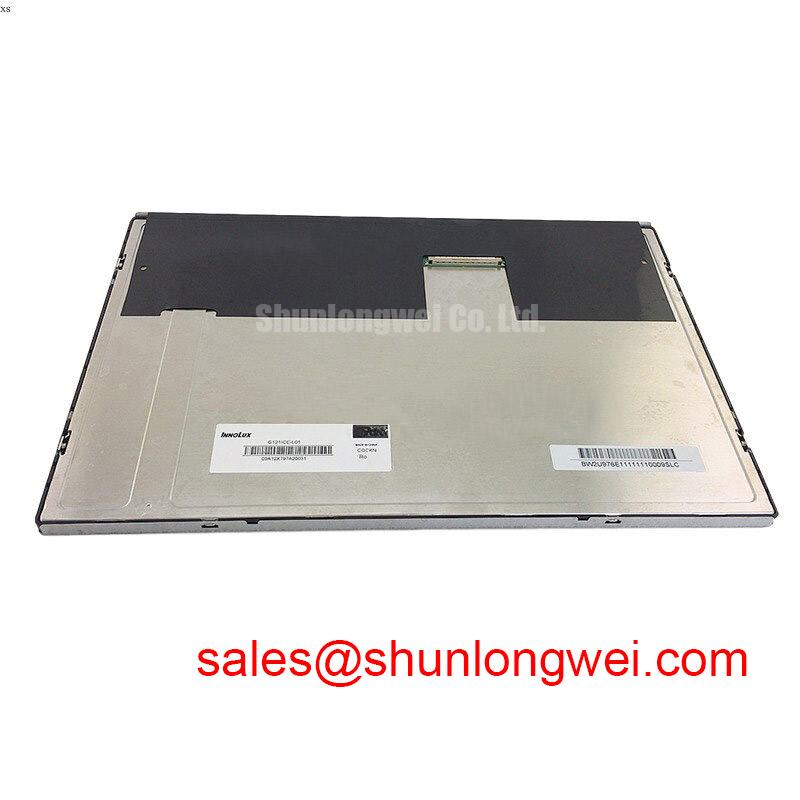
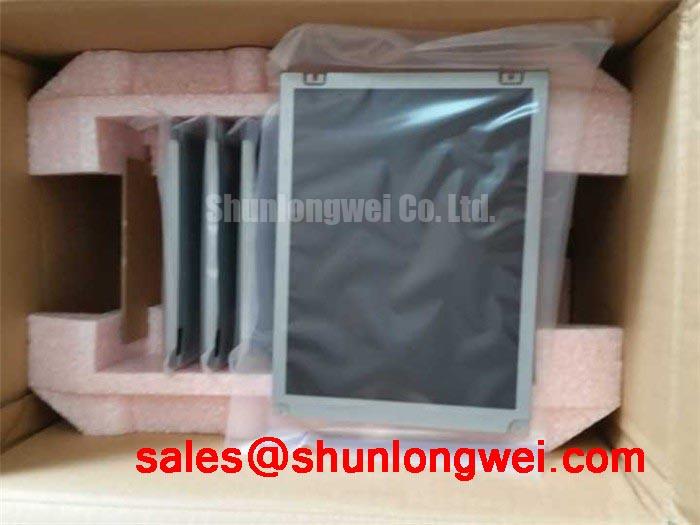
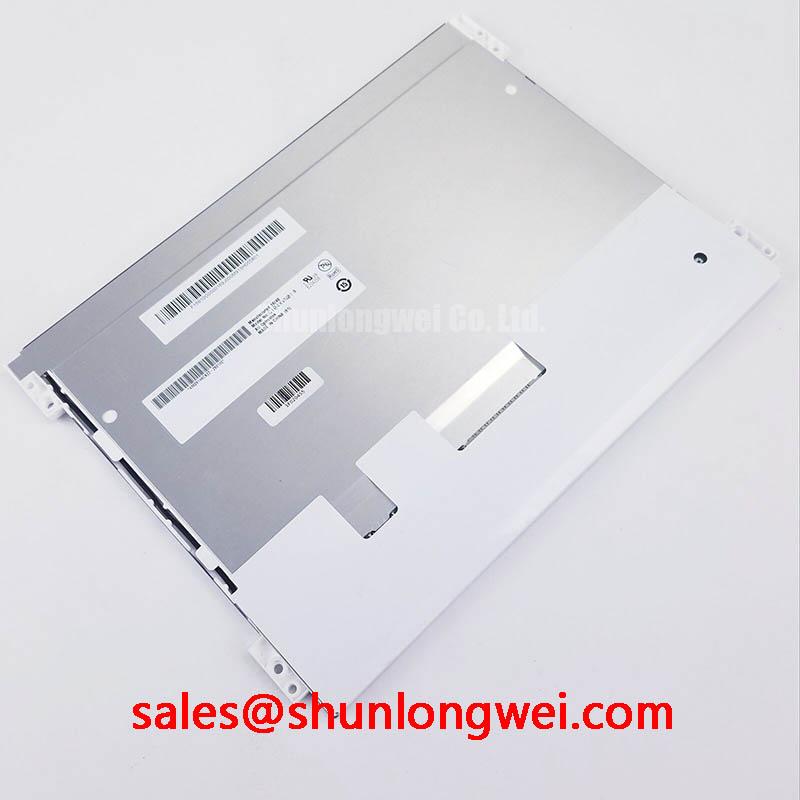
Innolux G121ICE-L01 12.1-Inch WXGA Industrial TFT-LCD Module
The Innolux G121ICE-L01 delivers true wide-angle optical consistency and high-reliability imaging for mission-focused industrial Human-Machine Interfaces (HMIs) and diagnostic panels. WXGA 1280 x 800 | 600 cd/m² | 1000:1 Contrast Ratio | -30°C to +80°C Operating Temperature. Built with an integrated LED backlight converter and Azimuthal Anchoring Switching (AAS) technology, it ensures dependable 24/7 visual clarity in ruggedized cabinets. What is the core advantage of its AAS mode? It prevents color shifting and inversion across wide 89° viewing angles. For industrial control consoles prioritizing wide-angle legibility and wide thermal tolerance, the G121ICE-L01 serves as a robust display foundation.
Application Scenarios & Value
Optimizing Field Visual Clarity in Harsh Operational Environments
Engineers often face challenging enclosure constraints where equipment must operate reliably under fluctuating factory temperatures and diverse operator viewing heights. The Innolux G121ICE-L01 resolves these readability bottlenecks through its 600 cd/m² luminance and symmetrical 89°/89°/89°/89° (Typ.) viewing cone. In high-ambient factory floors, lower-grade displays suffer from washed-out graphics, forcing operators to crane their necks to read critical alarm states. Much like a high-grade cockpit dial that remains legible regardless of pilot posture, this AAS panel ensures identical color balance and crisp text from steep off-axis perspectives.
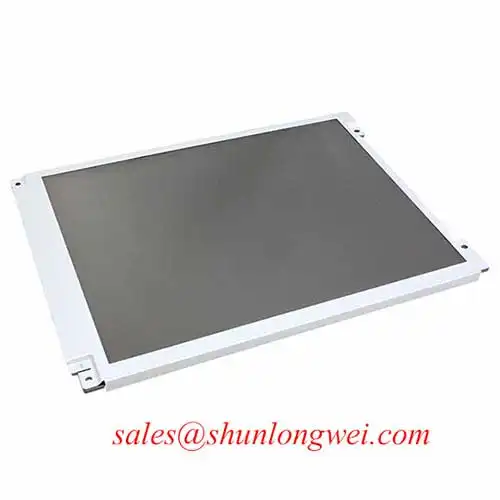
In medical monitoring systems, automated diagnostic equipment, and CNC machining terminals, the 16:10 widescreen format provides extra horizontal space for multi-parameter real-time telemetry alongside primary UI controls. The wide operating range of -30°C to +80°C allows integration into unheated outdoor kiosks and sealed NEMA-rated industrial enclosures without requiring active climate-control fans. For designs needing standard 4:3 XGA resolution rather than 16:10 widescreen, the related G121XCE-L01 offers a 1024 x 768 configuration. For alternative industrial widescreen deployments, engineers also evaluate the G121ICE-L02 and G121EAN01.0.
Technical Deep Dive
Optical Architecture and Driver Integration for Industrial Longevity
The panel architecture combines an advanced IPS-equivalent AAS liquid crystal alignment with an anti-glare 3H hard-coated front polarizer. Standard twisted nematic (TN) panels rely on vertical liquid crystal rotation, which leads to grayscale inversion when viewed from below. AAS utilizes in-plane lateral switching, ensuring that light transmission remains uniform across all viewing axes.
Signal transmission is handled via a single-channel 20-pin LVDS interface, supporting 6-bit (262K) and 8-bit (16.7M) color depths via Hi-FRC dithering. This differential transmission acts as a shielded express lane for high-speed pixel data, rejecting electromagnetic noise radiated by nearby variable frequency drives and high-power contactors. Furthermore, the integrated LED backlight driver board consolidates the power stage, accepting a standard 12.0V supply and eliminating external high-voltage inverters to simplify internal cable routing. Explore our detailed engineering analysis on TN vs IPS industrial panel selection and the broader principles outlined in the ultimate guide to TFT LCD engineering.
Key Parameter Overview
Critical Specifications and Electrical Ratings
| Parameter | Technical Specification | Engineering Value / Interpretation |
|---|---|---|
| Screen Diagonal | 12.1 inches | Compact footprint for mid-sized industrial operator panels. |
| Resolution | 1280 x 800 (WXGA) | 16:10 widescreen ratio enhances UI data layout density. |
| Luminance (Typ.) | 600 cd/m² | High brightness ensures visibility in well-lit factory ambients. |
| Contrast Ratio (Typ.) | 1000:1 | High dynamic range prevents optical washout of critical telemetry. |
| Viewing Angles (CR≥10) | 89° / 89° / 89° / 89° (Typ.) | Full hemispherical visibility free from grayscale inversion. |
| Interface Type | 1ch LVDS (20-pin) | Robust EMI resistance for noisy automation cabinets. |
| Backlight Lifespan | 50,000 Hours (Min.) | Reduces maintenance cycles in continuous industrial duty. |
| Operating Temp. Range | -30°C to +80°C | Extended thermal headroom for harsh industrial environments. |
Download the G121ICE-L01 datasheet for detailed specifications and performance curves.
Frequently Asked Questions
Engineering and System Integration Insights
How does the 600 cd/m² luminance rating affect thermal and power budgeting?
The 600 cd/m² white LED backlight draws moderate power while providing sufficient brightness for industrial ambient light. The integrated driver allows PWM dimming, enabling engineers to throttle brightness dynamically to reduce power consumption and junction heating during low-ambient operation.
What is the engineering advantage of the built-in LED converter on the G121ICE-L01?
How does the integrated backlight driver simplify enclosure design? By eliminating external converter boards, it reduces overall bill-of-materials count and mechanical volume. Engineers only need to supply a single DC input, minimizing cable harness complexity and reducing EMI radiation points.
Can the G121ICE-L01 be operated in portrait orientation?
Yes. Because the AAS panel architecture maintains symmetrical 89° viewing angles across horizontal and vertical axes, the module delivers consistent optical clarity and color fidelity whether installed in landscape or portrait orientation.
For system-level design guidelines and outdoor display thermal strategies, review our technical compendium on sunlight-readable industrial HMI design.